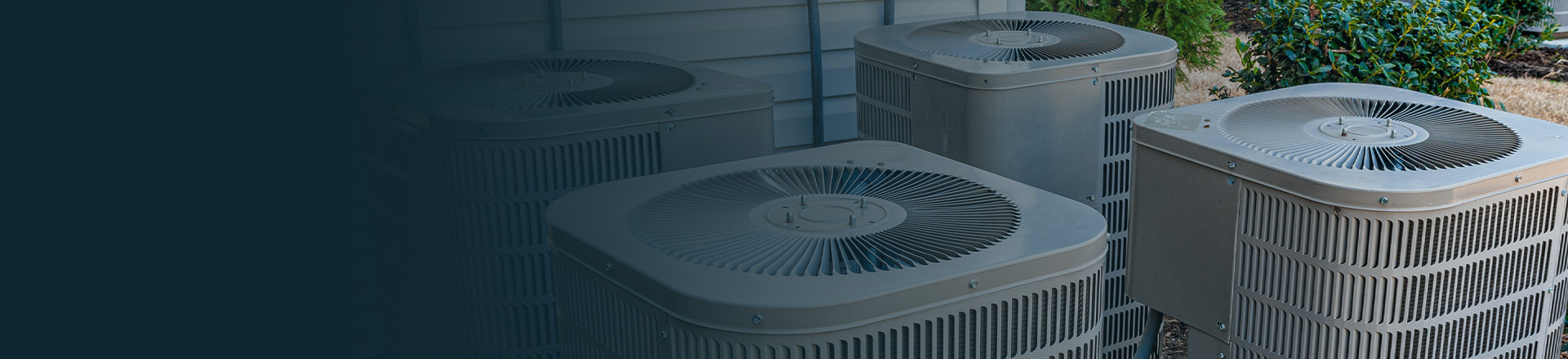
The most common objection we hear from Omaha homeowners researching heat pumps goes something like this: “Aren’t those for Florida?” It’s a fair question rooted in outdated information. For years, heat pumps earned that reputation because older models genuinely struggled once temperatures dropped below freezing. Cold-climate technology has changed that picture, and Omaha’s climate turns out to be a much better fit than most homeowners realize.
Omaha sits in Climate Zone 5A, where winters regularly push to 0°F or below and annual heating degree days average between 6,000 and 6,500. Cold-climate air-source heat pumps certified under the NEEP ccASHP specification maintain their rated heating capacity at temperatures as low as -13°F. The Department of Energy’s Cold Climate Heat Pump Challenge confirmed effective operation at -15°F during prototype testing, validated across 23 residential field sites nationwide. That’s not a marketing claim; it’s lab-verified performance that places modern heat pumps squarely within the range of what Omaha winters actually deliver.
We’ve been working on heating and cooling systems in this area since 2001, and the questions we get from homeowners have shifted noticeably. More people are weighing heat pumps seriously now, and they deserve honest, locally grounded answers before making a major equipment decision.
The Cold-Weather Myth Nebraska Homeowners Keep Hearing
Somewhere along the way, “heat pumps don’t work in cold climates” became conventional wisdom in the Midwest, and it has stuck even as the underlying technology moved on. The older resistance-based narrative made sense for first-generation equipment. It doesn’t apply to what’s being installed today.
The ENERGY STAR Cold Climate designation sets a clear performance threshold: a unit must deliver at least 70% of its rated heating capacity at 5°F and maintain a coefficient of performance (COP, meaning units of heat output per unit of electricity consumed) above 1.75 at 5°F. That’s a certified minimum, not an estimate or a manufacturer claim. Many current models exceed it significantly. When you look at Omaha’s actual temperature distribution across a heating season, the hours spent below 0°F are a small fraction of total heating hours. The bulk of the season falls in the range where heat pump efficiency is highest.
Why Omaha’s Climate Is Well-Suited for a Heat Pump
The heating degree day figure tells part of the story, but not all of it. Omaha’s shoulder seasons matter just as much. The long stretches of March, April, October, and November, when outdoor temperatures hold in the 30s, 40s, and 50s for weeks at a time, are exactly the conditions where heat pump efficiency peaks. During those periods, COP routinely reaches 3 to 4, meaning the system delivers three to four units of heat for every unit of electricity it consumes. That’s where real energy savings can accumulate over the course of a year.
Nebraska’s humid summers add another dimension. A heat pump running in cooling mode handles dehumidification more effectively than a standard central air conditioner at full speed, because the variable-speed compressor found in most cold-climate models can modulate output and run longer cycles at lower capacity, pulling more moisture out of the air without overcooling the space.
For homes where winter lows occasionally drop below the range where a heat pump runs most efficiently, the dual-fuel configuration is the most common installation approach. A dual-fuel system pairs a heat pump with a gas furnace. The heat pump handles heating duties throughout most of the season, and the furnace kicks in automatically when outdoor temperatures fall below a preset threshold, typically around 35°F. The result is high efficiency during the majority of heating hours combined with reliable backup capacity on the coldest days.
One System Instead of Two
A heat pump replaces both the furnace and the air conditioner, consolidating two separate systems and two separate maintenance schedules into a single piece of equipment. For a home with an aging furnace and an AC unit approaching the end of its service life, that consolidation simplifies ongoing care and eliminates the scenario of replacing two major systems in two separate budget cycles.
The efficiency comparison between a furnace and a heat pump is worth understanding directly. A high-efficiency gas furnace converts fuel to heat at up to 95% efficiency, which is excellent, but it can never exceed 100% because it generates heat by burning fuel. A heat pump doesn’t generate heat; it moves it. Even at a COP of 2.0, it delivers twice as much heat energy as the electricity it consumes. At a COP of 3.5, it delivers 3.5 times as much. That physics advantage is why heat pump operating costs tend to run lower for the majority of the heating season.
Sizing matters enormously in this climate. Omaha’s temperature range, from summer highs in the low 90s with significant humidity to winter lows below zero, demands a system sized correctly for both seasonal extremes. A Manual J load calculation, which accounts for your home’s square footage, insulation levels, window area, orientation, and local design temperatures, is the only reliable method for selecting the right equipment. Oversizing or undersizing a heat pump creates comfort and efficiency problems that no amount of maintenance can fully correct.
Financial Incentives Available to Omaha Homeowners Right Now
The financial case for a heat pump has improved substantially in recent years, and most homeowners we talk to aren’t aware of what’s available to them.
OPPD’s HVAC Smart Rebate program offers up to $525 for qualifying heat pump systems rated 15.2 SEER2 or higher installed in OPPD residential customer homes. OPPD serves the Omaha metro including Bellevue, Papillion, La Vista, and the surrounding area, which covers the full range of neighborhoods we work in. Qualifying installations also move customers to OPPD’s Residential Conservation Rate 115, a lower-rate winter electricity tariff that reduces ongoing operating costs beyond the one-time rebate.
On our end, we provide free estimates, flexible financing through established financial partners, and senior discounts for customers on fixed incomes. Replacing a heating and cooling system is a significant investment, and our goal is to make sure financing and incentive options are part of the conversation before anyone commits to a direction.
What Heat Pump Maintenance Looks Like in an Omaha Winter
A heat pump running through a Nebraska winter faces demands that don’t appear on most generic maintenance checklists. Three areas warrant specific attention before temperatures drop:
- Outdoor coil defrost cycles, where the system briefly reverses operation to clear ice from the outdoor unit, engage more frequently during extended cold stretches and should be confirmed working correctly before temperatures drop.
- Condensate drainage needs to be clear after a humid summer to prevent blockages that cause problems once heating season starts.
- Auxiliary heat sequencing, the logic that determines when the backup furnace activates in a dual-fuel setup, should be tested and verified before a polar vortex arrives, not during one.
Scheduling a professional inspection before peak heating season gives a technician the chance to check refrigerant charge, test the reversing valve, confirm thermostat auxiliary heat setpoints, inspect electrical connections, and examine the outdoor unit for any damage from the previous summer. These aren’t issues that surface during normal operation until they cause a failure. Catching them in October is straightforward. Catching them at 2 a.m. in January is not.
Our maintenance plans include priority scheduling during high-demand periods when service wait times stretch for non-members, exclusive discounts on repairs and parts, and preventative inspections that account for the specific ways Omaha’s climate stresses HVAC equipment. The plans are structured to deliver genuine value, not just to schedule recurring visits.
Making the Right Call for Your Home
A heat pump is a sound long-term investment for most Omaha homes, but “most” isn’t “all.” The right answer depends on your home’s existing ductwork, your current equipment ages, your utility situation, and your priorities around upfront cost versus long-term operating savings. A dual-fuel configuration addresses the extreme cold concern directly for homes where an all-electric approach isn’t the right fit. A cold-climate certified model with an inverter-driven variable-speed compressor handles the full range of Omaha conditions more efficiently than any fixed-speed system regardless of fuel type.
What we can say with confidence after more than two decades serving homes and businesses across Omaha and Sarpy County is that the “heat pumps aren’t for Nebraska” assumption is no longer accurate, and homeowners who dismiss them without looking at current technology are often leaving real efficiency gains and available incentives on the table. If you’re weighing your options as a furnace or AC approaches the end of its life, Caniglia Heating & Cooling Inc is happy to walk through what makes sense for your specific situation. Reach us at (402) 539-5151.